
An iconic sport of the Basque Country , Basque pelota is much more than just a sporting activity. It represents a true cultural tradition, passed down from generation to generation. Very popular in southwestern France and in some regions of Spain, this spectacular sport combines agility, speed, strategy, and teamwork .
Whether on a village fronton , in a trinquet (a type of Basque pelota court), or during major competitions, Basque pelota brings together enthusiasts of all ages. Accessible to amateurs as well as experienced athletes, it also offers numerous physical and mental benefits .
Let's discover together the history of this unique sport, its different disciplines and the benefits it brings to those who practice it.
Basque pelota, a traditional sport of the Southwest
Origin and history of Basque pelota
Basque pelota has its roots in the ancient games of tennis played in Europe since the Middle Ages. Over time, these games evolved to give rise to different variants, including Basque pelota as we know it today.
In the villages of the Basque Country, pelota games often took place on church walls or in public squares. Gradually, specific structures called frontons were built to accommodate the players.
Today, Basque pelota is recognized as a true cultural heritage of the Basque Country . It is played in many clubs and is even the subject of international competitions.
The different disciplines of Basque pelota
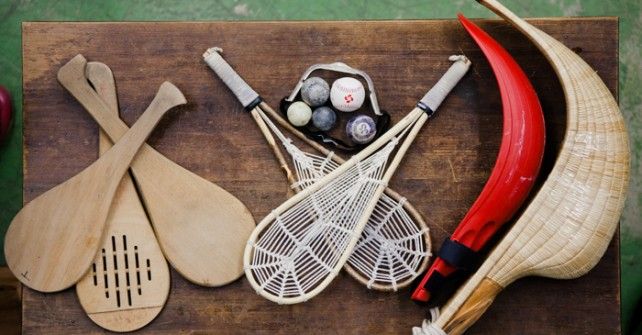
Basque pelota encompasses several disciplines, each with its own rules and specific equipment. This diversity allows everyone to find a style of play suited to their preferences.
The bare hand
Bare-handed pelota is the most traditional form of Basque pelota. Players strike the ball directly with the palm of their hand. This discipline demands great precision, excellent endurance, and good physical stamina.
The pala
Pala is played with a wooden racket. This variant is often considered more accessible for beginners. It allows for the rapid development of reflexes and good coordination.
La cesta punta
Cesta punta is undoubtedly the most spectacular discipline. Players use a type of wicker basket called a chistera to throw the ball at very high speeds. The rallies can reach impressive speeds.
The Joko Garbi
Less well known but just as technical, joko garbi is also played with a chistera but according to specific rules that favour long and strategic exchanges.
A sport deeply rooted in Basque culture
Basque pelota is much more than a sport: it is a powerful symbol of the cultural identity of the Basque Country. The frontons are often located in the heart of villages and are places for meeting and socializing.
Tournaments and local festivals are often accompanied by pelota matches, attracting locals and visitors alike. This tradition helps to preserve a unique sporting heritage.
In many Basque families, the practice of pelota is passed down from generation to generation, strengthening the link with roots and local culture.
The physical benefits of Basque pelota
Like many racket or ball sports, Basque pelota offers significant health benefits.
Improvement of physical fitness
Regular practice of Basque pelota engages many muscles in the body. The rapid movements, strikes, and changes of direction help develop endurance, power, and coordination.
Developing reflexes
The exchanges are often very fast. Players must therefore develop sharp reflexes and excellent anticipation skills.
Strengthening coordination
Basque pelota requires great precision in movements. It improves coordination between the hands, eyes and body movements.
The mental and social benefits
Beyond the physical aspects, Basque pelota also provides psychological and social benefits.
Stress reduction
Like any sporting activity, Basque pelota releases endorphins. It therefore helps to reduce stress and improve overall well-being.
Team spirit and friendliness
Many sports are played in teams. This promotes communication, mutual support, and teamwork.
Concentration and strategy
Players must analyze ball trajectories, anticipate opponent movements, and choose the best strategy. This stimulates concentration and thinking skills.
Basque pelota today
Today, Basque pelota continues to attract new players. Numerous clubs welcome children, teenagers, and adults wishing to discover this traditional sport.
Local and international competitions are regularly organized, allowing the best players to compete in a spectacular atmosphere.
Basque pelota thus remains a perfect blend of tradition, sport and conviviality .
An original gift idea for lovers of the Basque Country
For those passionate about Basque culture or sports enthusiasts, it may be interesting to offer an original gift related to this regional tradition.
A personalized poster depicting an iconic Basque location in front of a pelota game or pilotaris is an excellent idea to immortalize a moment spent in the region.
Conclusion
Basque pelota is much more than just a sport. It represents a precious cultural heritage and a complete physical activity that provides numerous benefits.
Between tradition, performance and conviviality, it continues to thrill the frontons of the Basque Country and attract new generations of players.
Looking to celebrate a memory or a unique moment in the Basque Country?
Discover Cactus Moments personalized posters and create a unique memory now.
